

Why this glossary matters
SEO jargon can feel abstract until you connect each term to a concrete action in your store. This guide turns the most common terms into quick, ecommerce-ready explanations and “what to do next” tips for Shopify merchants and agencies.
Core concepts
- SEO (Search Engine Optimization) — The practice of earning traffic from search engines without paying for ads. For stores, that means optimizing product, collection, and content pages so people can find and buy your products.
- SERP (Search Engine Results Page) — The page of results shown after a search. Winning SEO means earning visibility here with blue links, rich results, and shopping features.
- Organic Traffic — Visits that come from unpaid search results. Track it by landing page to learn which products and categories bring shoppers.
- Indexing — When Google stores your pages in its database. If a page isn’t indexed, it can’t rank. Check index status in Google Search Console (GSC).
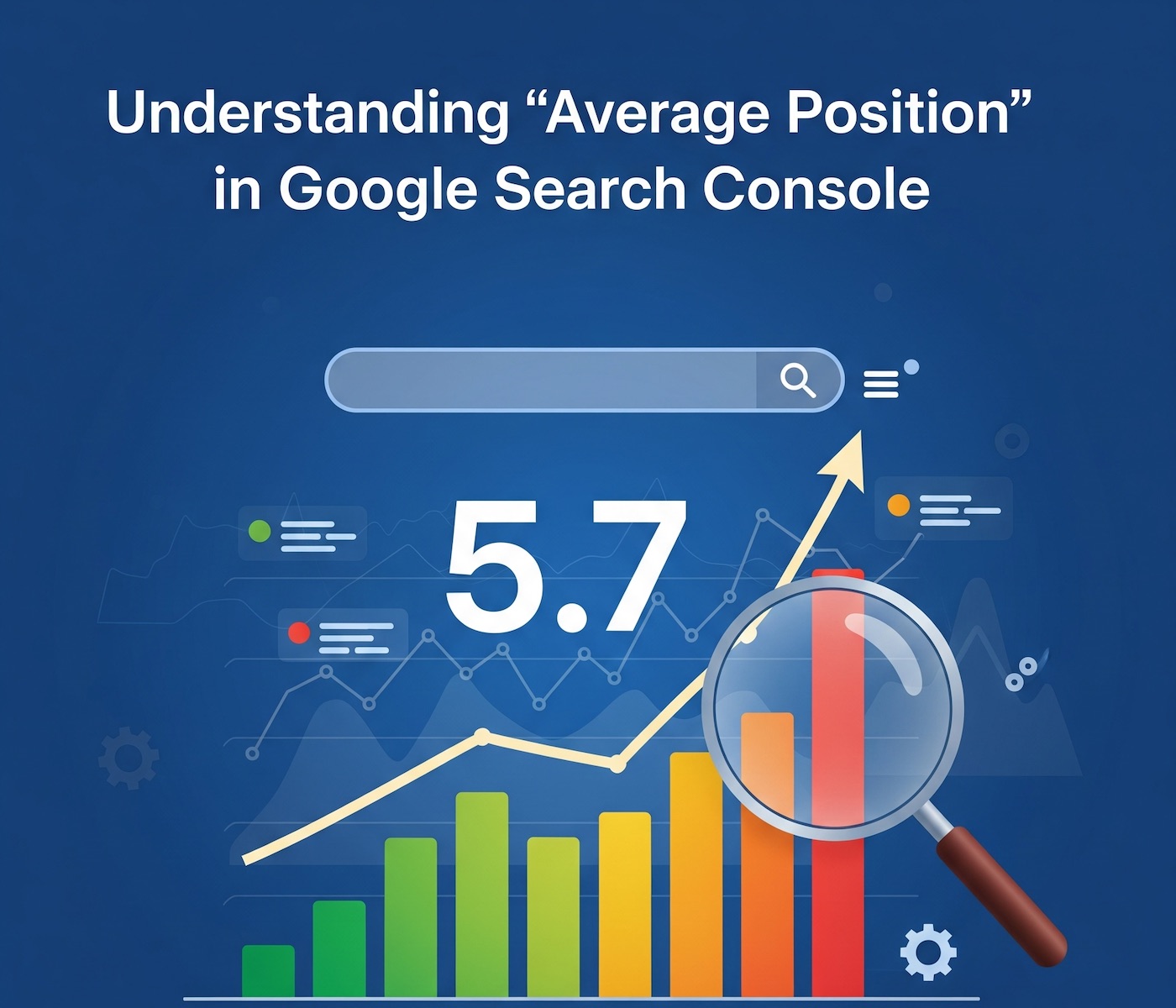
- Ranking — Your position for a specific keyword. Positions 1–3 typically capture the majority of clicks.
On-page SEO & content
- Keywords — Words customers type to find products (e.g., “waterproof hiking boots”). Map one main keyword per page; include natural variations.
- Title Tag — The clickable headline in search results. Keep ~55–60 characters, put the primary keyword early, and add a value hook (e.g., “Free Returns”). Where: edit in the Shopify admin → product/collection/blog post → Search engine listing.
- Meta Description — A 150–160 character pitch under the title. Write for clicks; include benefits or differentiators.
- Headings (H1, H2, H3) — Content structure. One H1 per page (often your product or collection name), with descriptive sub-heads.
- Alt Text — Image descriptions read by screen readers and search engines. In product media, add concise, descriptive alt text (e.g., “Men’s black leather Chelsea boots, side view”).
- Anchor Text — The visible words in a link. Use descriptive anchors like “winter boots” rather than “click here.”
- Internal Linking — Links between your own pages. Add links from blogs and collections to priority products to pass relevance and help shoppers navigate.
- LSI (Latent Semantic Indexing) — Related phrases around a topic (e.g., “gore-tex,” “insulated,” “trail grip”). Sprinkle natural variations to help search engines understand context.
Technical SEO essentials
- URL — The page address. Keep it short, readable, and keyword-focused (e.g.,
/products/waterproof-hiking-boots). - XML Sitemap — A file listing URLs to help search engines discover pages. Shopify auto-generates
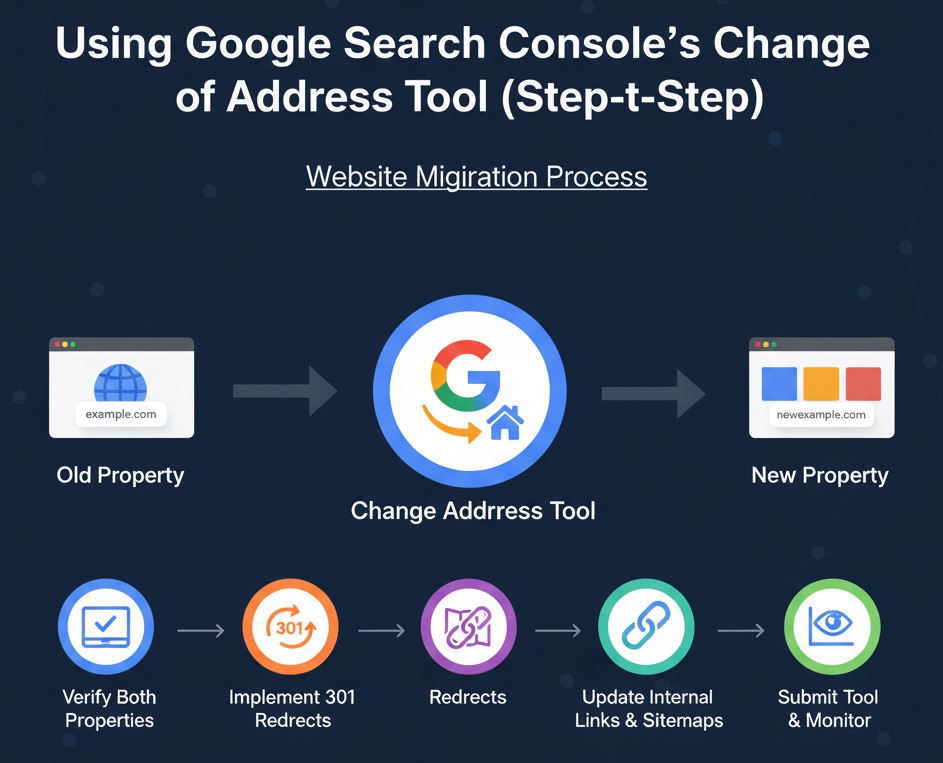
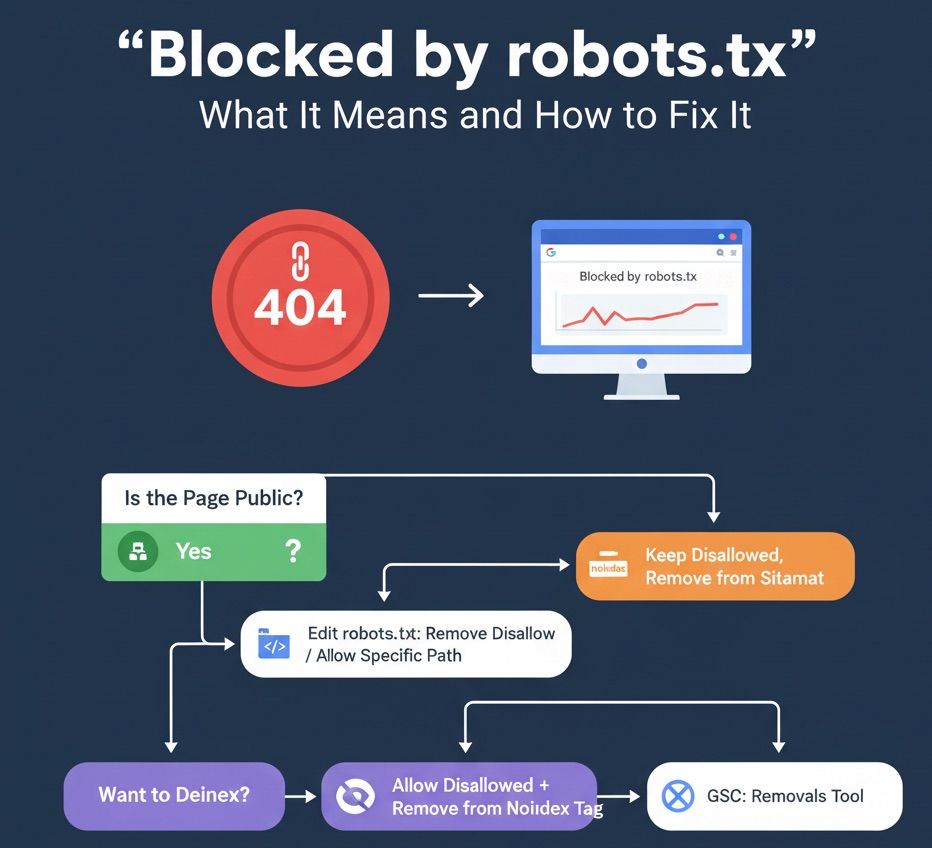
/sitemap.xml; submit it in GSC. - Robots.txt — Tells crawlers what to access. Shopify supports
robots.txt.liquidif you need safe, advanced overrides. - Crawling — How search engines fetch your pages. Blocked crawling or excessive redirects can slow discovery.
- Schema Markup (JSON-LD) — Code that explains your page type. Product schema powers rich results (price, availability, rating). Many modern themes include it; otherwise add via an app or theme update.
- AMP — Accelerated Mobile Pages. Less common today for ecommerce; focus on Core Web Vitals and fast theme performance instead.
- CMS (Content Management System) — The platform that stores your pages and products. Here that’s Shopify.
Off-page & reputation
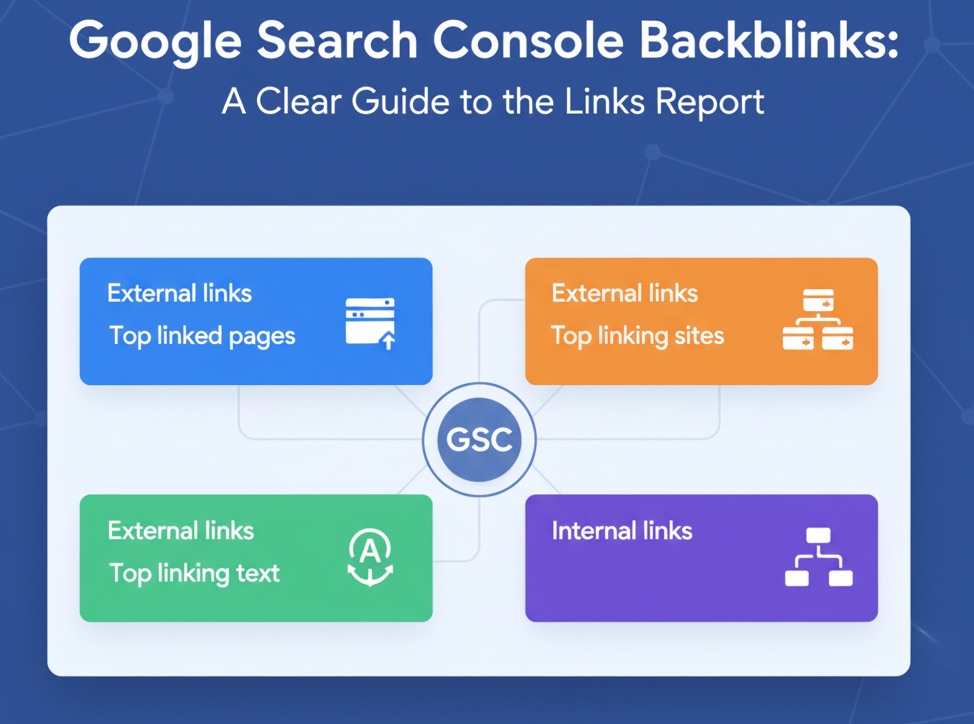
- Backlinks — Links from other sites to yours. Aim for relevant, high-quality mentions (partners, PR, reviews). Avoid buying links.
- SMO (Social Media Optimization) — Using social platforms to spark demand and assist SEO (brand searches, links, and mentions).
- ORM (Online Reputation Management) — Managing how your brand appears in search: reviews, profiles, and press.
- GEO / Local SEO — Optimizing for location-based searches (e.g., store pickup). Keep NAP (name, address, phone) consistent and maintain your Google Business Profile.
- PPC — Paid ads (e.g., Google Ads). SEO and PPC often share keyword insights and can amplify each other.
Conversion & performance
- CTR (Click-Through Rate) — The percentage of impressions that become clicks. Improve CTR with stronger titles, meta descriptions, and rich results (e.g., review stars).
- CRO (Conversion Rate Optimization) — Turning more visits into sales. For product pages, test trust badges, shipping clarity, and image galleries.
- ROI (Return on Investment) — Measure revenue vs. costs. Tie SEO wins to sales, not just traffic.
- KPI (Key Performance Indicator) — Your core metrics: impressions, clicks, CTR, average position, revenue, conversion rate.
Data & measurement
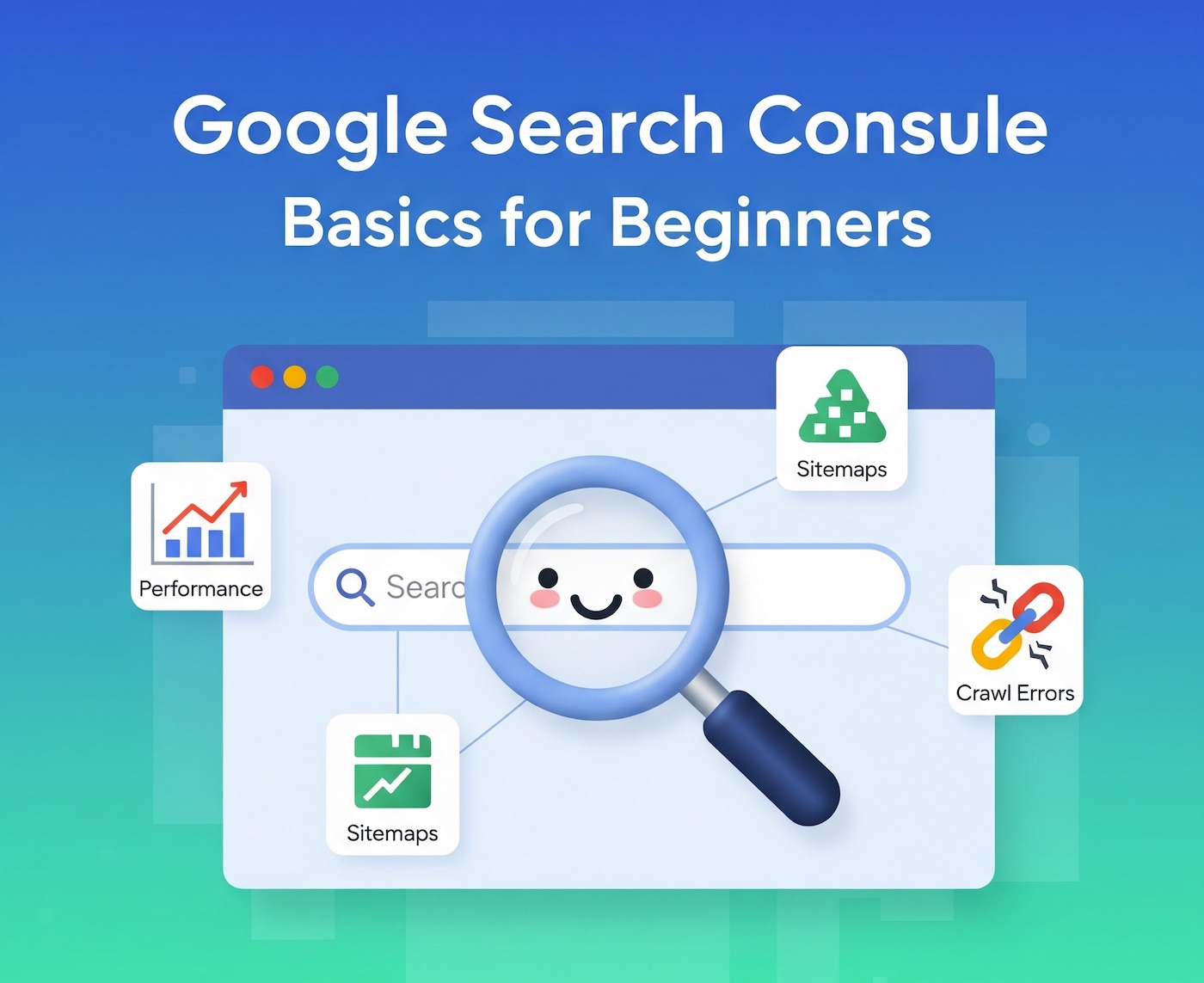
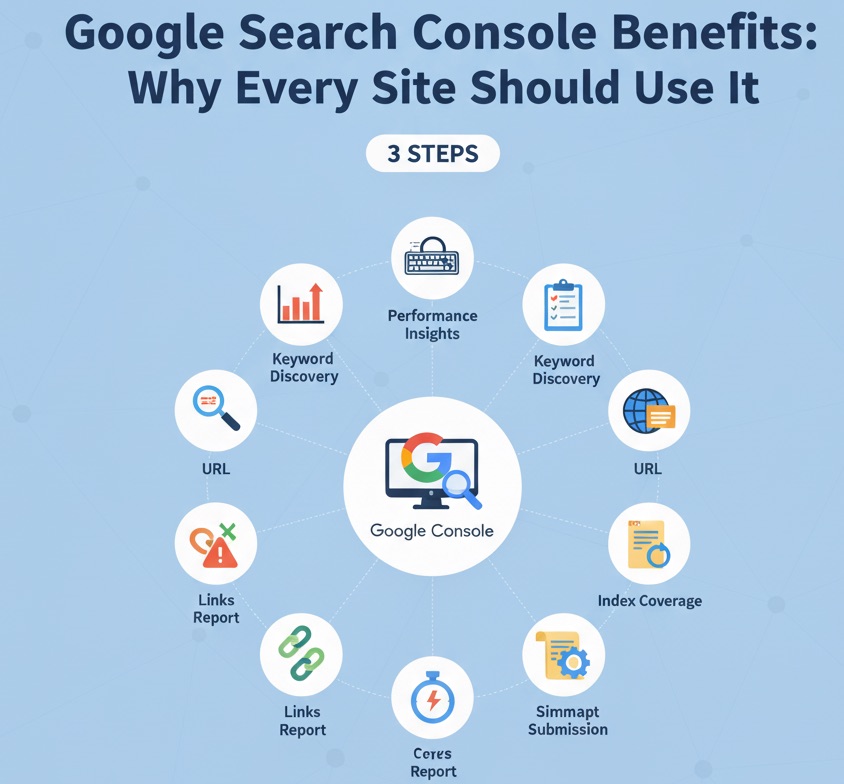
- GSC (Google Search Console) — Free Google tool to monitor search performance and indexing. In Topify, you can analyze up to 50k rows/day directly in your admin with filters by page, query, country, and device.
- GA (Google Analytics) — Measures on-site behavior. GA4 tracks engaged sessions instead of the old bounce rate; connect it to attribute sales to channels.
- API — A way for apps to exchange data. Useful for syncing SEO insights into dashboards, reporting, or inventory systems.
- RSS — A feed that distributes your blog content to subscribers and tools. Helpful for content discovery.
- NLP (Natural Language Processing) — How search engines interpret content. Clear, helpful writing improves NLP understanding.
- LLMO (Large Language Model Optimization) — Structuring content so AI systems (and AI Overviews) understand your products: FAQs, specs, comparisons, and clean schema.
App & channel terms you’ll encounter
- ASO (App Store Optimization) — If you publish a mobile app, optimize its listing to be discovered in app stores.
- AEO (Answer Engine Optimization) — Creating content blocks that directly answer questions. Think concise FAQs on product pages (“Is it waterproof?”).
Quick wins for a Shopify store
- Edit titles & meta descriptions on your top product and collection pages.
- Add or improve Product schema to qualify for price/availability rich results.
- Write alt text for your best-selling product images.
- Link from your blog posts to the most profitable collections and products with descriptive anchor text.
- Submit
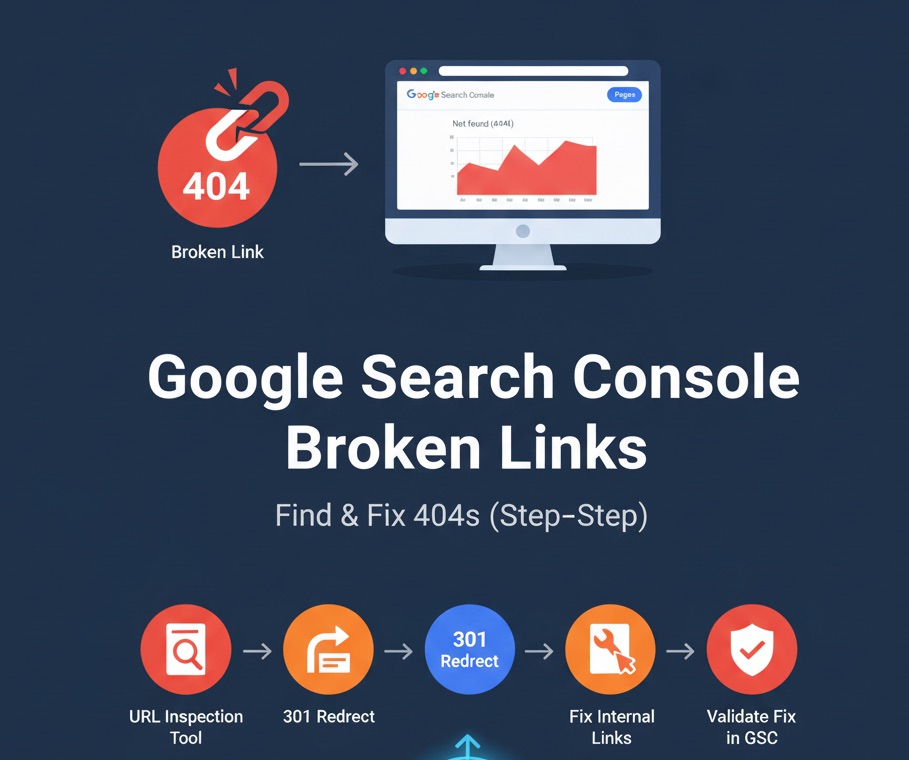
/sitemap.xmlin GSC and fix Coverage issues (404s, redirects, blocked pages). - Track CTR and position in GSC; improve under-performing titles and descriptions first.