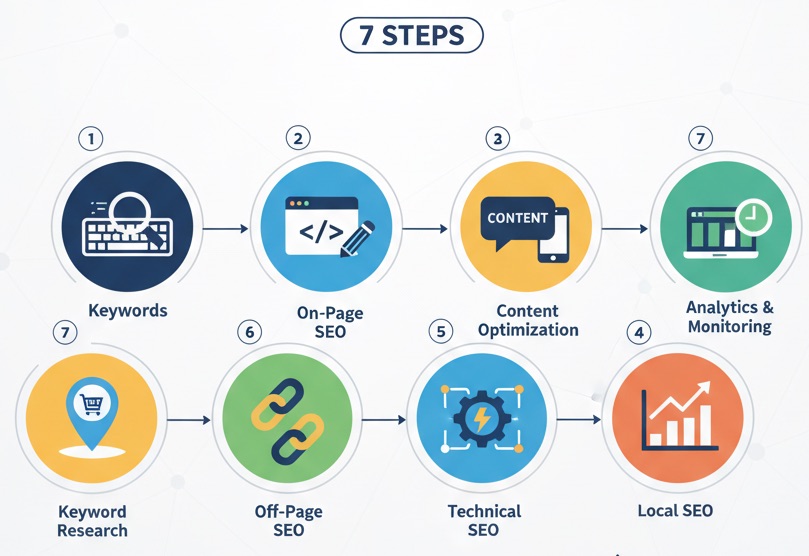


In 2025, SEO is bigger than "adding keywords to a blog post." To win on Google (and AI search) for your Shopify store, you need skills across content, technical, data, and automation.
The good news: you don't need a degree or ten years of agency work. You need a clear roadmap and the discipline to follow it.
This guide turns the "How to Become an SEO Expert in 2025" framework into a practical path—focused on ecommerce and Shopify, with Topify as your analytics co-pilot.
1. Learn SEO Basics
This is your foundation. Until you are comfortable here, don't worry about fancy AI tactics.
- Introduction to SEO. Learn how search engines crawl, index, and rank pages. Understand the difference between technical, on-page, and off-page SEO.
- Keyword research. Practice finding search terms your buyers actually use: product-focused ("buy running shoes size 42") and problem-focused ("how to stop running blisters").
- Competition analysis. Look at the top 10 results for your main keywords. Ask: what makes these pages better than mine?
- Content optimization. Learn how to write clear titles, meta descriptions, headings, and copy that match search intent.
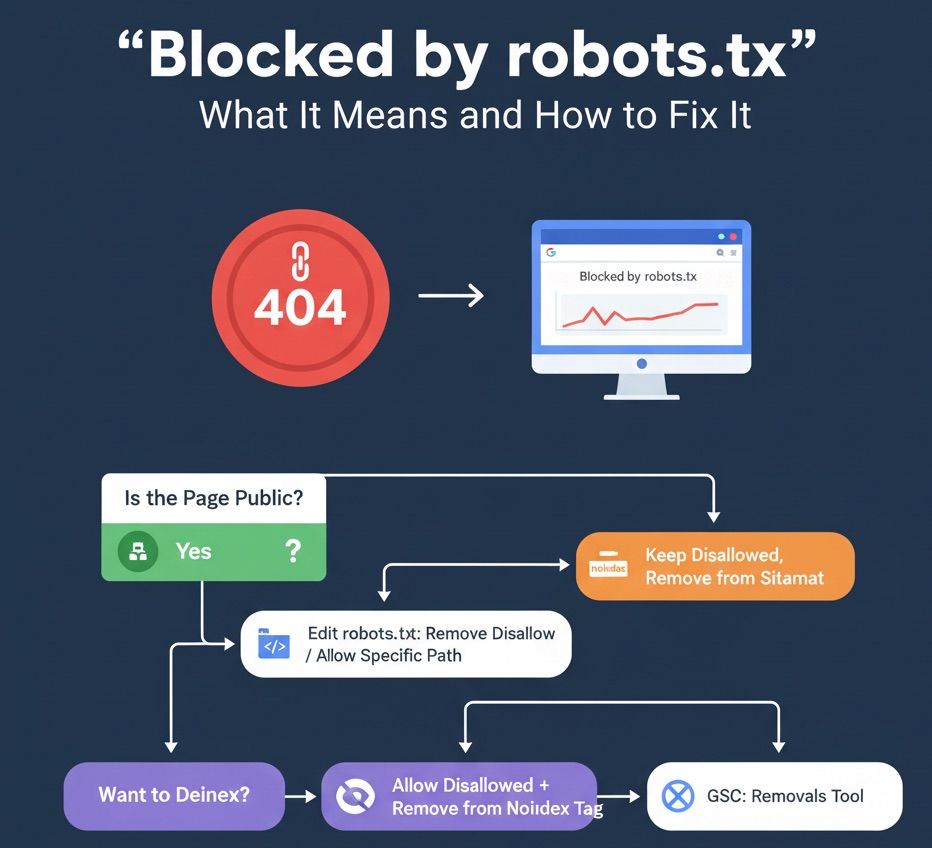
- Technical optimization. Basics like sitemaps, robots.txt, canonical tags, and clean URL structure on Shopify.
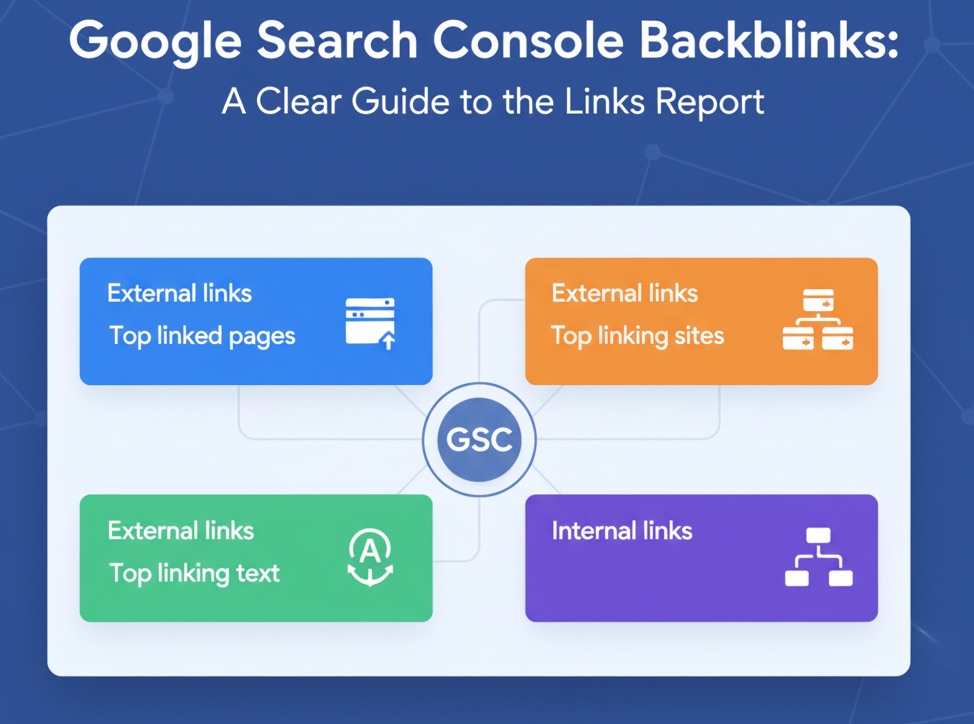
- Link building. Understand why relevant, trustworthy links matter and the difference between natural links, partnerships, and spam.
Action: Pick 3–5 key collections in your Shopify store and make sure each has a clear keyword, good copy, and clean technical setup.
2. Deepen Your SEO Knowledge
Once the basics feel natural, move into deeper topics that matter in 2025.
- JavaScript SEO. Know how dynamic content, apps, and scripts can affect crawling and rendering.
- Internal linking. Build content hubs: guides → collections → products, all linked with descriptive anchor text.
- Web speed optimization. Improve Core Web Vitals with image compression, app cleanup, and smart theme choices.
- Mobile optimization. Audit your store on mobile: layout, tap targets, checkout flow, loading times.
- Structured data. Add JSON-LD for products, reviews, FAQs, and articles so Google understands your pages.
- E-E-A-T. Show Experience, Expertise, Authoritativeness, and Trustworthiness with strong About pages, real reviews, and clear policies.
- Image & video optimization. Use descriptive file names, alt text, captions, and transcripts where needed.
- SERP feature optimization. Target featured snippets, People Also Ask, and image/video results with structured content.
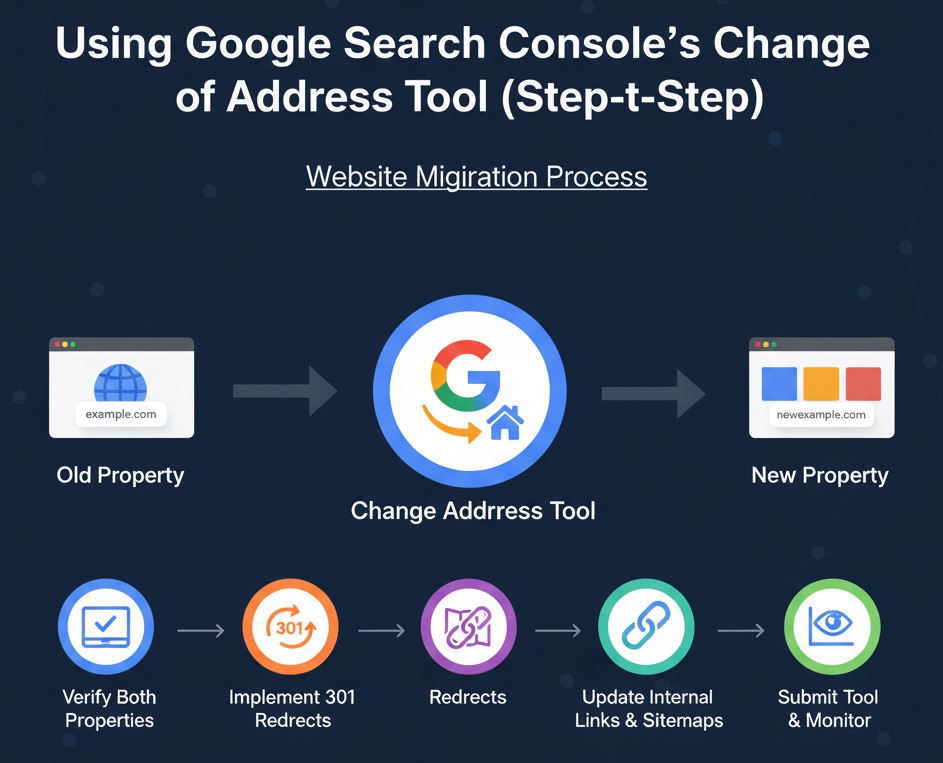
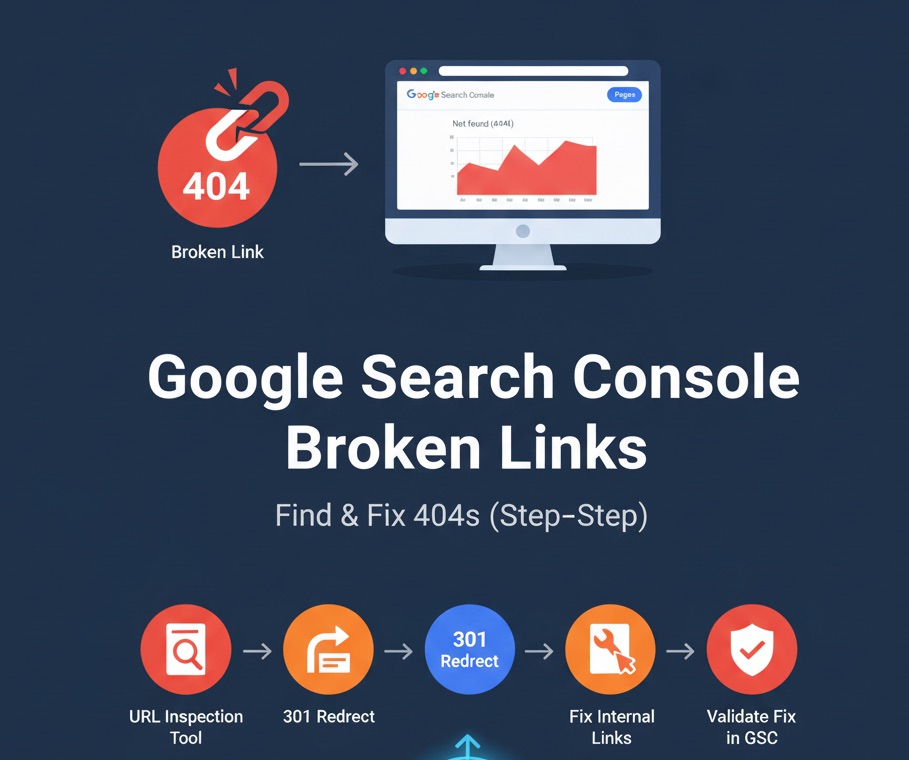
- SEO for migrations. If you ever change themes, domains, or URL structure, learn how to do safe redirects and audits.
- AI & semantic search. Understand how search now uses entities, topics, and LLMs—so you write content that answers full questions, not just matches keywords.
Action: Choose one advanced topic per month and apply it to your store. Use Topify to track how changes affect impressions and revenue.
3. Learn to Execute a Full SEO Process
Experts don't just "do tactics." They run a process end-to-end.
- Developing an SEO audit. Check technical health, content gaps, and link profile. Do this at least twice a year for your Shopify store.
- Establishing an SEO strategy. Decide which categories, countries, or customer segments matter most. Prioritize them.
- Setting SEO goals. Move from vague goals ("more traffic") to clear metrics ("+30% organic revenue from non-branded keywords in 6 months").
- Monitoring and reporting. Use Search Console, Analytics, and Topify dashboards to track rankings, clicks, and sales.
- SEO process management. Turn tasks into checklists: new product launch SEO, blog publishing workflow, migration checklist, quarterly audit routine.
Action: Create a simple SEO playbook document for your store with your audit checklist, publishing workflow, and reporting schedule.
4. Go Deeper: Specialize and Automate
4.1 Specialize Within SEO
You don't have to know every niche, but you should pick one main path.
- Ecommerce & Shopify SEO. Product feeds, filters, faceted navigation, collection structure, and conversion-focused content.
- International SEO. Multiple markets, currencies, and languages with hreflang and local domains or subfolders.
- Local SEO. For stores with physical locations: Google Business Profile, local citations, and location pages.
- Other paths: SaaS, news, or travel SEO if they are relevant to your business or future career.
Action: If Shopify is your focus, commit: read case studies, follow ecommerce SEO experts, and test ideas directly in your store.
4.2 Automate SEO Tasks
In 2025, experts win by combining SEO knowledge with automation.
- Scripting for SEO. Basic Python, App Scripts, or similar to clean data, check status codes, and generate redirects.
- BigQuery & SQL for SEO. Join data from Search Console, Analytics, and Topify to spot patterns at scale.
- AI-powered content analysis. Use LLMs to classify queries, group keywords, and summarize competitor pages.
- Machine learning for rankings. Experiment with models that predict which changes drive clicks and conversions.
- GPT integration. Build small internal tools: title tag generators, FAQ builders, or product-description helpers that use your brand voice.
- Automated content generation (with human review). Use AI to draft copy for long-tail pages, then edit and publish with a clear quality bar.
- AI-based competitor analysis. Track competitor changes—new pages, pricing, and content—without manual checking.
Action: Pick one repetitive task (e.g., pulling weekly SEO reports) and automate it with scripts or a no-code workflow connected to Topify.
5. Keep Up With SEO News
Algorithms, SERP layouts, and AI features will keep changing. Experts stay curious.
- Search engine official blogs. Google Search Central and similar sources.
- SEO news publications & aggregators. Weekly digests, curated newsletters, or feeds.
- SEO podcasts and online events. Listen while commuting; join webinars and virtual conferences.
- SEO newsletters. Choose a few that cover ecommerce, AI, and technical SEO.
Action: Subscribe to 2–3 trusted sources and schedule a 30-minute "SEO update" block each week. Add notes for tests you want to run on your Shopify store.
6. Implement with Free SEO Tools
You can become very good at SEO before paying for any premium tool. Use free tools to learn and to experiment.
- Keyword research tools. Free tiers of popular platforms plus Search Console.
- On-page SEO checkers. Extensions and simple audits for titles, headings, and metadata.
- Link building tools. Basic backlink checkers and alerts for new mentions.
- Monitoring & rank tracking. Free or low-cost trackers for your main keywords.
- SEO dashboards & reporting. Use Looker Studio or similar with Search Console and Topify data.
- Web speed optimization tools. PageSpeed Insights, Lighthouse, and Core Web Vitals reports.
- Structured data testers. Validate your product, review, and FAQ schema.
- Mobile, local, and international SEO tools. Check how your site appears in different regions and on different devices.
Action: Build a small "SEO toolkit" list and link each tool to a specific job—no more than 1–2 tools per task.
Putting It All Together with Topify
Becoming an SEO expert in 2025 isn't about memorizing every ranking factor. It's about:
- Knowing the fundamentals.
- Understanding how AI and semantic search change the game.
- Running a repeatable SEO process.
- Specializing in a field like Shopify and ecommerce.
- Using automation and tools to scale your impact.
Tools like Topify help you connect all of this to real outcomes: which pages bring money, which keywords drive orders, and which experiments are worth scaling.
Pick your current stage, set one concrete skill goal for this month, and start practicing on your own store. With consistent work, you won't just "do SEO"—you'll be the person others come to for answers.