

SEO Best Practices Ecommerce Content Strategy

19 Golden Rules of SEO (2025)

Udjin, CEO

Udjin

CEO

3 min read

1) Intent > Volume

Choose keywords based on what the searcher wants, not just how many people search. A lower-volume term with strong commercial intent often beats a high-volume vanity query.

  • Classify intent: informational, navigational, comparison, transactional.
  • Map each query to the right page type (guide, collection, product).

2) Humans First

Write for people. Clarity beats jargon. Helpful content leads to better engagement signals—and rankings.

  • Use plain language, short paragraphs, and meaningful subheads.
  • Answer the question in the first 100–150 words.

3) One Keyword Focus (Per Page)

Every page needs a single, clear SEO goal. Related variations can support, but avoid mixing unrelated topics on one URL.

  • Primary keyword in title, H1, intro, and meta description (naturally).
  • Create dedicated pages for distinct intents rather than stuffing.

4) Speed Wins

Slow sites suffer lower rankings and higher bounce rates. Optimize Core Web Vitals.

  • Compress/resize images, lazy-load below-the-fold assets.
  • Reduce third-party scripts and ship CSS/JS efficiently.

5) EEAT Matters

Demonstrate Experience, Expertise, Authoritativeness, and Trust.

  • Show author bios, references, and real-world proof (photos, data, awards).
  • Keep policies, contact details, and reviews visible and current.

6) Content Compounds

Consistency compounds. Publishing weekly builds topical depth and internal links over time.

  • Plan a series around core topics instead of one-off posts.
  • Refresh top performers each quarter.

7) Update Old Content

Six-month-old winners can decay. Re-optimize with new data, FAQs, and internal links.

  • Track pages falling from positions 1–5 to 6–10 and fix those first.

Guide users and bots to your key pages. Internal links distribute authority and clarify topic clusters.

  • Use descriptive anchor text (no “click here”).
  • Link up the hierarchy (product → collection → pillar guide).

Editorial links from trusted sites are still a major ranking factor.

  • Create genuinely useful assets (guides, data, tools) worth citing.
  • Build relationships (partners, suppliers, community sites).

10) Track What Matters

Measure clicks, CTR, rankings, and conversions—not vanity metrics.

  • Use time-series views (day/week/month) and annotate changes.
  • Prioritize work by potential revenue impact.

11) Distribute Everything

Publishing is step one. Promote via email, social, partners, and communities to earn links and engagement.

12) SEO Is a Long Game

Think quarters, not days. Small, consistent improvements compound.

  • Run 90-day plans with weekly actions and monthly reviews.

13) One Page = One Topic

Prevent cannibalization. If two pages target the same term, consolidate or differentiate by intent.

14) Structure Is Strategy

Organized headings (H1–H3), scannable sections, and logical URLs help both readers and crawlers.

15) Titles Must Convert

Great titles win clicks. Aim for clarity + value, not clickbait.

  • Front-load the keyword, promise the benefit, match the intent.

16) Alt Text Counts

Describe images for accessibility and image search. Keep it concise and relevant.

Proactive outreach (partners, PR, industry resources) earns trust signals you can’t get by publishing alone.

18) Write Like You Talk

Natural language improves comprehension and matches modern search patterns (including voice & AI).

19) Systems Beat Hustle

A repeatable SEO process scales: ideate → brief → publish → distribute → measure → refresh.

  • Document checklists for briefs, on-page elements, links, and updates.
  • Review progress weekly; ship something small every day.

Share Article

Related Articles

Featured image for AI Tools for SEO: The Best Paid & Free Options for Shopify Stores in 2024
SEO Shopify Ecommerce SEO AI Tools Content Marketing Keyword Research On-Page SEO Conversion Rate Optimization Topify

AI Tools for SEO: The Best Paid & Free Options for Shopify Stores in 2024

Most Shopify brands know they "should use AI" for SEO—but end up with random tools and messy content. This guide breaks AI tools into seven jobs (research, keywords, images, copywriting, content, design, and on-page SEO) and shows how to use both paid and free options to grow organic traffic and sales for your store.

Featured image for 11 Best SEO Keyword Research Tools in 2025 (For Shopify & Ecommerce Stores)
SEO Shopify Ecommerce SEO Keyword Research Content Marketing PPC Topify

11 Best SEO Keyword Research Tools in 2025 (For Shopify & Ecommerce Stores)

Choosing the right keyword tools can make or break your Shopify SEO in 2025. This guide breaks down 11 of the best options—from heavyweights like Ahrefs and Semrush to lightweight browser extensions like Keywords Everywhere and Keyword Surfer—and explains exactly how to use them to grow organic traffic and sales, not just rankings.

Featured image for How to Become an SEO Expert in 2025 (Roadmap for Shopify & Ecommerce)
SEO Shopify Ecommerce SEO AI SEO Technical SEO Content Marketing SEO Career Topify

How to Become an SEO Expert in 2025 (Roadmap for Shopify & Ecommerce)

Most Shopify marketers don't need another random SEO tip—they need a clear roadmap. This guide breaks down how to become an SEO expert in 2025 step by step: learn the basics, master technical and AI-driven SEO, build a repeatable process, specialize in ecommerce, automate tasks, and use free tools with data from Topify to keep improving.

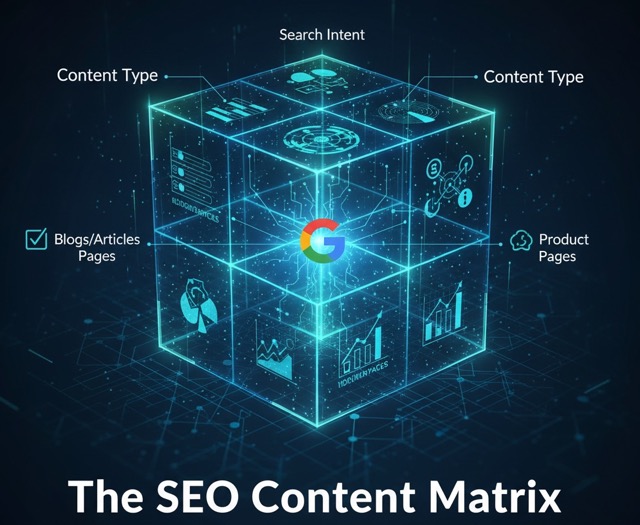
Featured image for The SEO Content Matrix for Google: A Practical Content Plan for Shopify Stores
SEO Shopify Ecommerce SEO Content Strategy Google Search Content Marketing UX Keyword Research Topify

The SEO Content Matrix for Google: A Practical Content Plan for Shopify Stores

Most Shopify brands publish content without a clear map: a random product guide here, a blog post there, and no plan for how it all works together in Google. The SEO Content Matrix for Google turns your ideas into a simple grid—by intent and by time—so you know exactly which pages to create to drive impressions, convert traffic, build authority, and keep customers coming back.

Featured image for Fashion E-commerce SEO Guide for Shopify Brands
Fashion SEO Ecommerce SEO Shopify SEO Fashion Marketing Apparel SEO Category SEO Topify

Fashion E-commerce SEO Guide for Shopify Brands

Fashion and apparel SEO has unique challenges: fast-changing inventory, seasonal trends, rich imagery, and high competition. In this guide, Udjin (CEO of Topify) breaks down a complete Fashion E-commerce SEO strategy specifically for Shopify stores — from collection architecture and seasonal content to lookbooks, influencer backlinks, and optimizing filters.

Featured image for Shopify Image SEO: How to Optimize Product Photos for Google
Shopify SEO Shopify Image SEO shopify seo image Ecommerce SEO Technical SEO Page Speed Topify

Shopify Image SEO: How to Optimize Product Photos for Google

Most Shopify guides treat images as decoration. In reality, image SEO can drive thousands of extra visits from Google Images and improve your overall rankings. In this article, Udjin (CEO of Topify) explains step by step how to optimize every product and collection image for search—covering file names, alt text, size, compression, lazy loading, and structured data for the query "shopify seo image".

Featured image for Shopify Technical SEO Checklist
Shopify Technical SEO Technical SEO Ecommerce SEO Shopify SEO Core Web Vitals Crawl Optimization Indexation Topify

Shopify Technical SEO Checklist

Technical SEO is one of the biggest ranking factors for Shopify stores—yet also the most misunderstood. In this advanced guide, Udjin (CEO of Topify) presents a complete Shopify Technical SEO checklist, including site speed, URL structure, indexation, duplicate content, structured data, Core Web Vitals, internal linking, and theme-level optimizations.