

How-to Guides
Purpose: Teach users how to accomplish a specific task.
SEO Goals: Solve user problems; rank for “how to” queries; capture informational intent.
Example: “How to compress product images without losing quality.”
KPIs: Rankings for how-to keywords, time on page, assisted conversions.
Landing Pages
Purpose: Convert visitors for a specific campaign or offer.
SEO Goals: Target campaign terms; maximize lead/sale conversion.
Example: “Holiday sale: 20% off all accessories.”
KPIs: Conversion rate, CPA, bounce rate.
Product Pages
Purpose: Highlight features, benefits, and proof.
SEO Goals: Rank for transactional keywords; convert with strong CTAs.
Example: “Waterproof Hiking Jacket — Size Guide, Care, Reviews.”
KPIs: Add-to-cart rate, organic revenue, schema rich snippets.
Best-Of Posts
Purpose: Curate the top tools, products, or ideas in a category.
SEO Goals: Help decisions; rank for comparison queries (“best”, “top”, “vs”).
Example: “Best running shoes for flat feet (2025).”
KPIs: CTR from SERP, affiliate clicks/sales, backlinks.
Case Studies
Purpose: Show real-world results and social proof.
SEO Goals: Demonstrate credibility; win branded/commercial investigation intent.
Example: “How Brand X cut returns by 28% with size-fit tweaks.”
KPIs: Lead volume from case pages, time on page, link acquisition.
“Alternatives” Pages
Purpose: Compare solutions to a popular product/service.
SEO Goals: Capture comparison traffic; address switch-intent queries.
Example: “Topify alternatives: how they differ.”
KPIs: Rankings for “alternative to …”, demo signups.
Templates
Purpose: Offer pre-made formats users can adapt.
SEO Goals: Provide immediate value; win links and shares.
Example: “SEO title template pack (CSV/Sheets).”
KPIs: Downloads, email signups, backlinks.
Free Tools
Purpose: Give access to a useful resource at no cost.
SEO Goals: Attract links; encourage return visits and brand searches.
Example: “Meta description length checker.”
KPIs: Tool usage, links, branded traffic growth.
Reviews
Purpose: Critically evaluate products, services, or tools.
SEO Goals: Rank for review keywords; support purchase decisions.
Example: “Running Jacket Review: breathability, seams, durability.”
KPIs: SERP features (stars), affiliate revenue, comments.
Lists
Purpose: Provide quick, organized sets of items or resources.
SEO Goals: Capture “list” and “ideas” queries; improve skim-ability.
Example: “25 blog ideas for new stores.”
KPIs: CTR, dwell time, social shares.
FAQs
Purpose: Answer common questions clearly and concisely.
SEO Goals: Rank for question-based searches; win People-Also-Ask.
Example: “Is Shopify SEO-friendly? (short answers).”
KPIs: PAA visibility, support deflection.
Step-by-Step Guides
Purpose: Outline a clear process from A → Z.
SEO Goals: Target “step by step” queries; support onboarding.
Example: “Set up Search Console: connect, verify, submit sitemap.”
KPIs: Completion rate (via events), bookmarks.
Interviews
Purpose: Share expert insights and unique perspectives.
SEO Goals: Build authority and natural links; surface EEAT.
Example: “Q&A: Technical SEO tips from [Expert].”
KPIs: Referral traffic, links, social reach.
Checklists
Purpose: Help users verify completion of tasks.
SEO Goals: Capture high-intent utility searches; increase return use.
Example: “Product launch SEO checklist (printable).”
KPIs: Downloads, repeat visits, newsletter signups.
Definitions / Glossary
Purpose: Clarify concepts and terminology.
SEO Goals: Rank for definition queries; build topical depth.
Example: “What is crawl budget?”
KPIs: Featured snippets, internal link assists.
Pillar Pages
Purpose: Comprehensive hubs that link to deeper subtopics.
SEO Goals: Establish topical authority; improve internal linking.
Example: “Complete guide to ecommerce SEO.”
KPIs: Rankings breadth, cluster traffic, link equity flow.
Infographics
Purpose: Visualize data or processes for faster understanding.
SEO Goals: Earn shares and embeds; broaden reach.
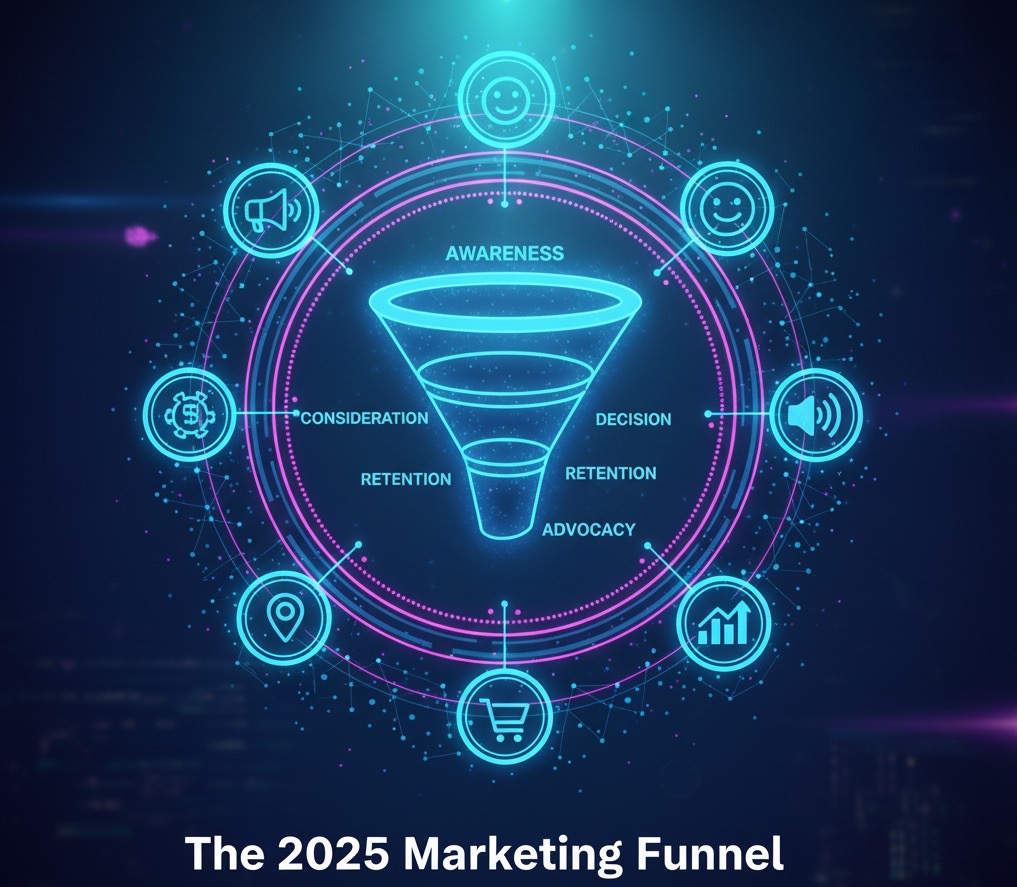
Example: “The SEO funnel: intent from awareness to purchase.”
KPIs: Embeds, image search traffic, backlinks.
Press Releases
Purpose: Announce products, partnerships, and milestones.
SEO Goals: Win brand mentions and authoritative citations.
Example: “Brand X partners with Y to plant 10k trees.”
KPIs: Referring domains, branded search lift.
Ultimate Guides
Purpose: Deep, all-in-one resources.
SEO Goals: Become the go-to source; drive bookmarks and links.
Example: “Ultimate technical SEO checklist for retailers.”
KPIs: Time on page, returning users, backlinks.
Trending Content
Purpose: Capture interest in current events or viral topics.
SEO Goals: Earn quick visibility; leverage news and seasonal spikes.
Example: “Black Friday SEO tips (updated weekly).”
KPIs: Short-term traffic bursts, social reach.
Beginner’s Guides
Purpose: Simplify complex topics for newcomers.
SEO Goals: Capture broad informational intent; nurture future buyers.
Example: “SEO basics for first-time store owners.”
KPIs: New user sessions, newsletter opt-ins.
Tips / Best Practices
Purpose: Provide actionable recommendations and insights.
SEO Goals: Establish authority; generate links and shares.
Example: “19 golden rules of SEO most stores ignore.”
KPIs: Engagement, links, save/bookmark rate.
How to Use This Catalog
- Audit your library: Mark which types you already have and where the gaps are (TOFU/MOFU/BOFU).
- Plan clusters: Pair pillar pages with how-tos, definitions, and case studies to build topical authority.
- Mix value formats: Add templates or a free tool to earn links and emails.
- Measure: Assign primary KPIs per type and review quarterly.
Bottom line: Pick the right content type for the job. When each page has a clear mission, your entire SEO program compounds.